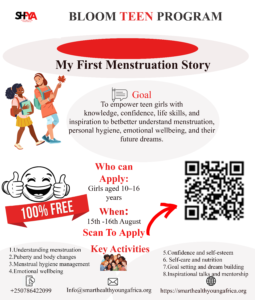
Practical Knowledge: Delivered essential guidance on understanding and managing menstrual health with confidence.
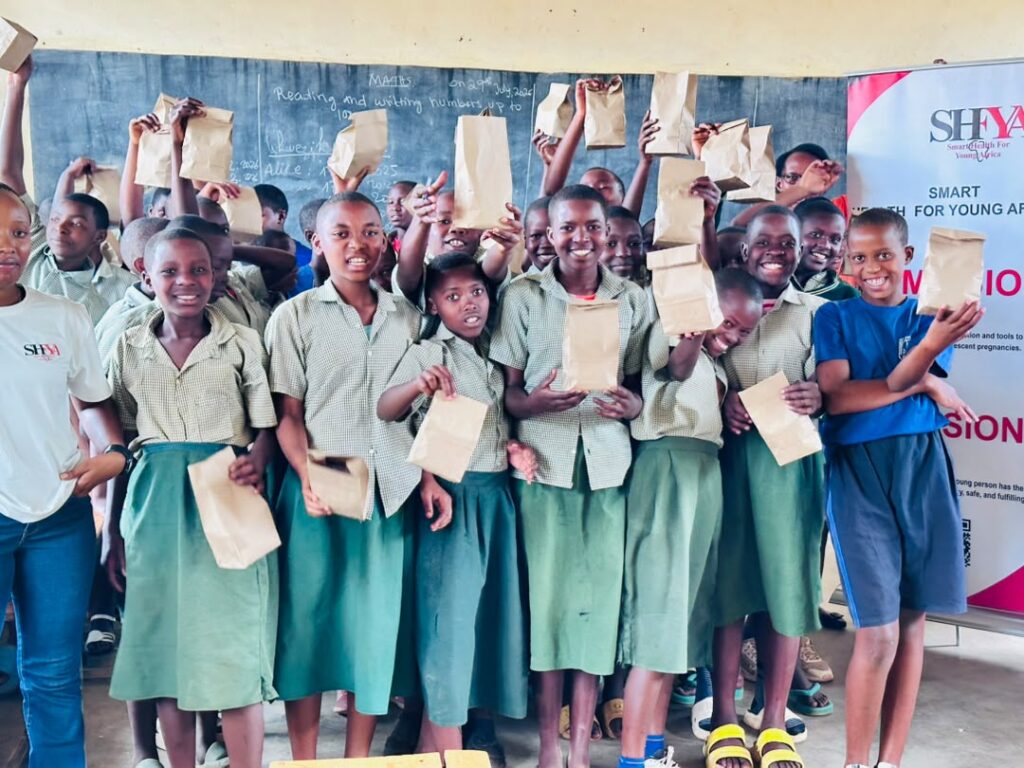

Creating a Safe Space for Open Conversation
A key part of the session was creating a safe, respectful, and supportive learning environment. Participants were encouraged to express themselves, ask questions, and share their experiences without fear of judgment.
The facilitators emphasized that there are no embarrassing questions when it comes to learning about health. This helped create an atmosphere where participants could actively participate in discussions and learn from both the facilitators and one another.
Creating safe spaces is particularly important when discussing topics related to puberty and reproductive health. When young people feel respected and listened to, they are more likely to ask questions, seek accurate information, and discuss challenges they may be experiencing.
Understanding the Menstrual Cycle
During the session, participants were introduced to the menstrual cycle and the changes that take place in the body. The discussion helped girls understand that menstruation is part of a natural biological process associated with puberty and development.
The facilitators explained the different stages of the menstrual cycle using simple and accessible language. Participants were also encouraged to ask questions about common experiences during menstruation and how individual cycles can vary from person to person.
The session also emphasized the importance of paying attention to one’s body and seeking appropriate support when experiencing unusual or concerning symptoms.
Promoting Good Menstrual Hygiene Practices
Menstrual hygiene was another important area of discussion. Participants learned about practical ways to maintain personal hygiene during menstruation and the importance of using appropriate menstrual materials safely and hygienically.
The session encouraged girls to develop healthy habits such as:
- Changing menstrual materials regularly.
- Maintaining personal cleanliness during menstruation.
- Washing hands before and after handling menstrual materials.
- Keeping reusable menstrual materials clean and properly dried.
- Storing menstrual materials in a clean and appropriate place.
- Seeking support when experiencing unusual menstrual difficulties.
These simple practices can contribute to girls’ comfort, confidence, and overall wellbeing.
Addressing Myths and Misconceptions
The session also provided an opportunity to discuss common myths and misconceptions about menstruation.
Misinformation can sometimes make girls feel ashamed, confused, or worried about normal changes in their bodies. Through open conversations and questions, participants were encouraged to identify misinformation and replace it with accurate health knowledge.
SHFYA recognizes that providing accurate information is an important step toward reducing menstrual stigma and helping young people make informed decisions about their health.
Learning Through Interaction and Practical Activities
Rather than relying only on lectures, the session used an interactive learning approach. Participants were encouraged to take part in discussions, ask questions, respond to activities, and share what they already knew about menstruation.
The practical approach allowed participants to connect the information they received with real-life situations. This made the learning experience more engaging and helped reinforce important menstrual health messages.
Interactive learning also gives young people an opportunity to build communication skills and confidence while learning about topics that may otherwise be difficult to discuss.